Choosing the right hurricane shutters starts with understanding the home’s openings, matching the shutter type to the household’s priorities, and confirming the chosen product meets local building codes. Getting those things right separates a shutter that holds up during a storm from one that fails when it matters most.
Every window, door, and exposed opening has its own size, mounting condition, and wind exposure level that affects which shutter will perform best. The decision requires understanding the available options, evaluating the right factors, and working with a professional who knows what the home actually needs.
Why Choosing the Right Hurricane Shutters Matters
Houston sits in one of the most storm-active regions in the country, and a home without adequate storm protection can sustain serious structural damage from a single hurricane making landfall along the Gulf Coast.
Key reasons why this decision carries real weight include:
- Unprotected glass shatters quickly under hurricane-force winds and flying debris.
- Broken windows allow water to intrude, damaging walls, floors, and ceilings.
- Non-compliant shutters can void insurance coverage.
- Certified storm protection directly affects insurance premium rates.
- Installing hurricane protection adds measurable value to a home.
To understand the full financial and structural case behind this investment, read our guide on Are Hurricane Shutters Worth the Cost?, which breaks down exactly what homeowners gain when they commit to certified storm protection for their home.
What Are Hurricane Shutters and What Makes Them Different
Hurricane shutters are protective coverings mounted over windows, doors, and glass openings to block wind, debris, and water during a storm.
Here is what sets hurricane shutters apart from standard window coverings:
- Built and tested to meet specific wind load and impact resistance standards.
- Installed as an external layer that keeps the building envelope intact.
- Designed to prevent dangerous shards of glass from entering the home.
- Rated to handle wind pressure that standard glass cannot withstand.
- Available in a variety of materials that meet building code requirements.
To discover how these protective qualities hold up against real storm conditions, read our guide on How Hurricane Shutters Protect a Home, which covers what makes hurricane shutters a proven defense against storm damage.
Common Types of Hurricane Shutters to Know Before You Decide
Knowing the available types of hurricane shutters makes it easier to match the right product to a home’s openings, budget, and protection needs.
The most widely used types of hurricane shutters include:
- Storm panels made from aluminum, steel, or clear polycarbonate panels.
- Accordion hurricane shutters that fold open and deploy quickly without heavy lifting.
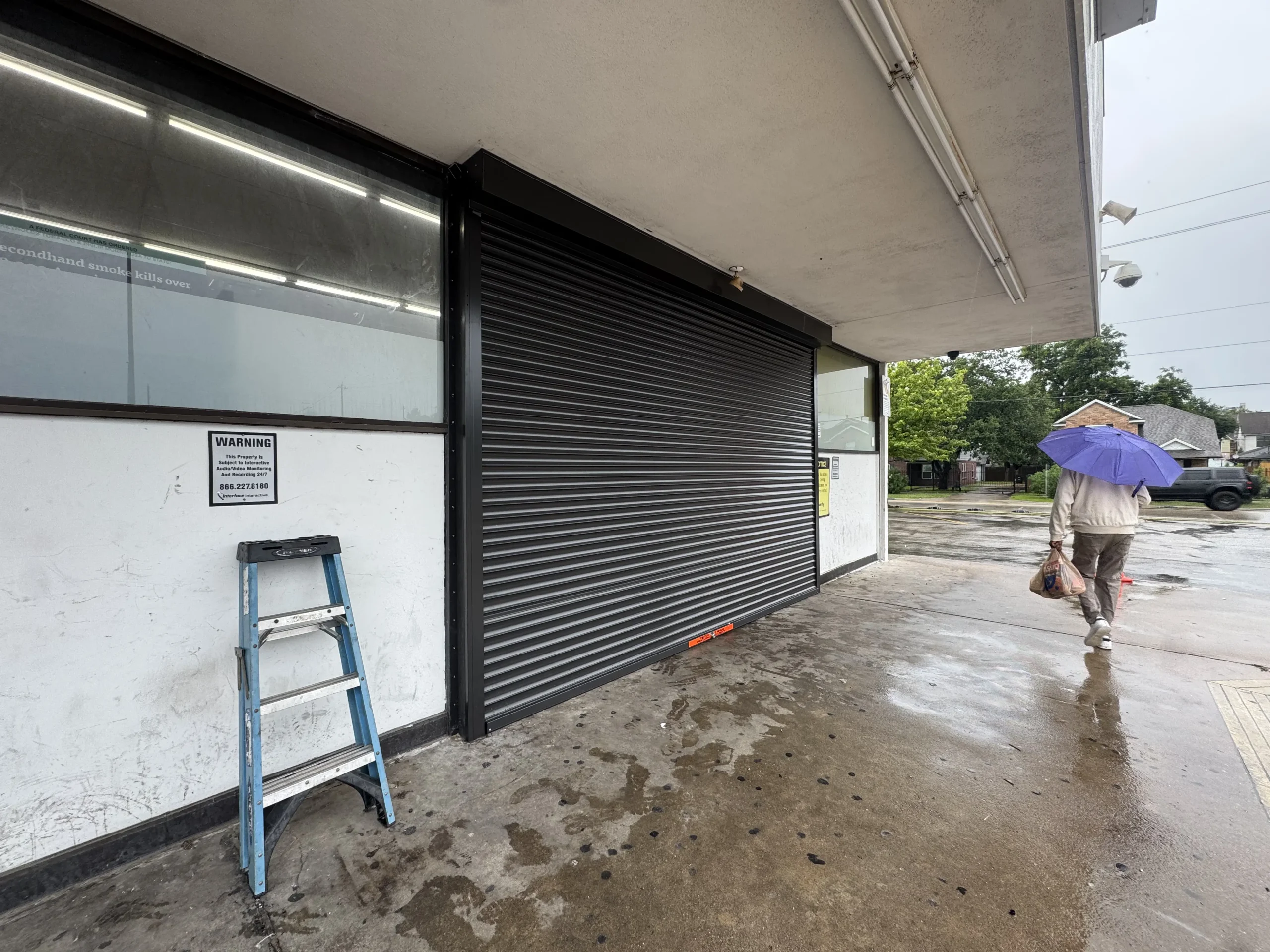
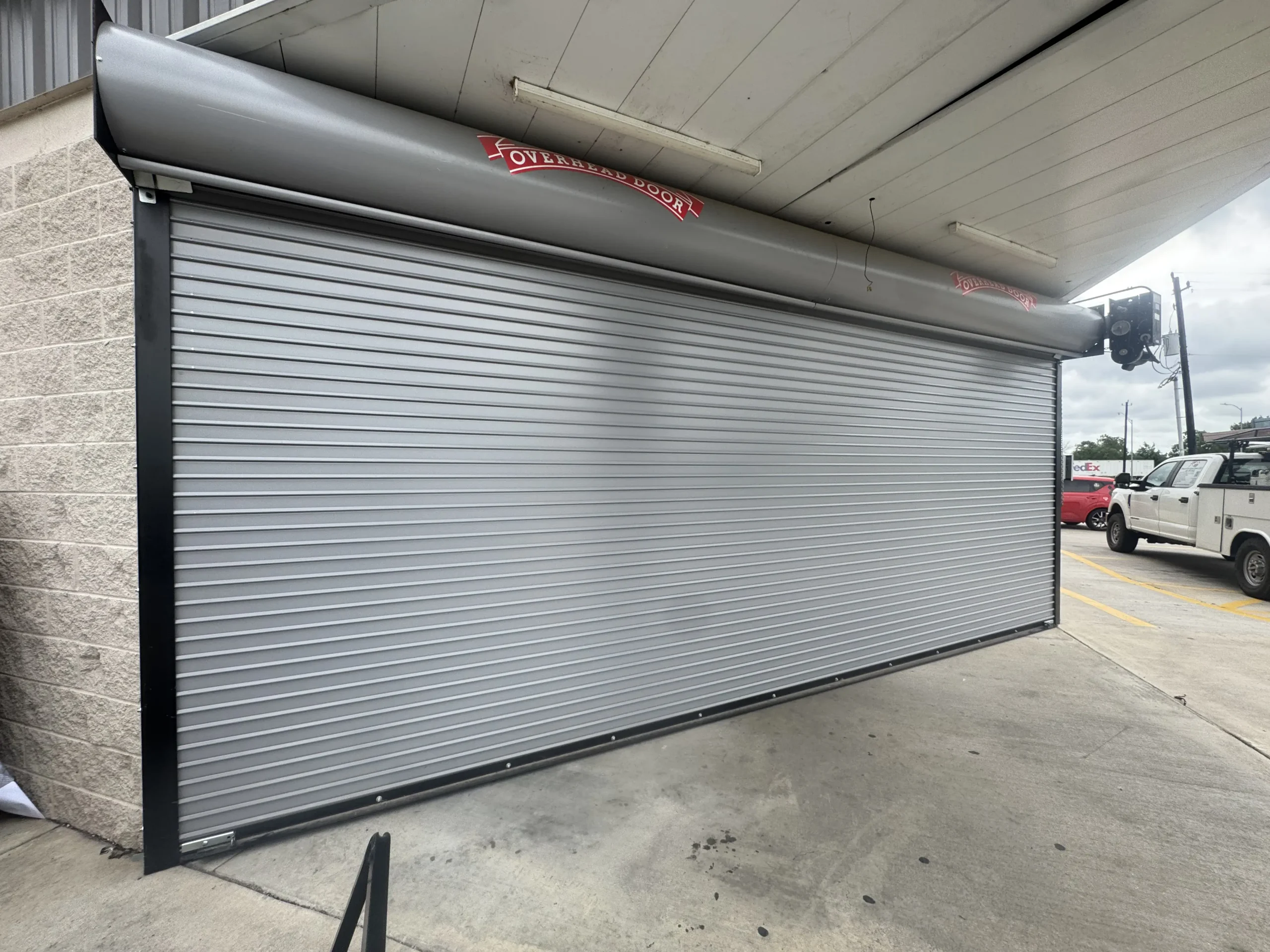
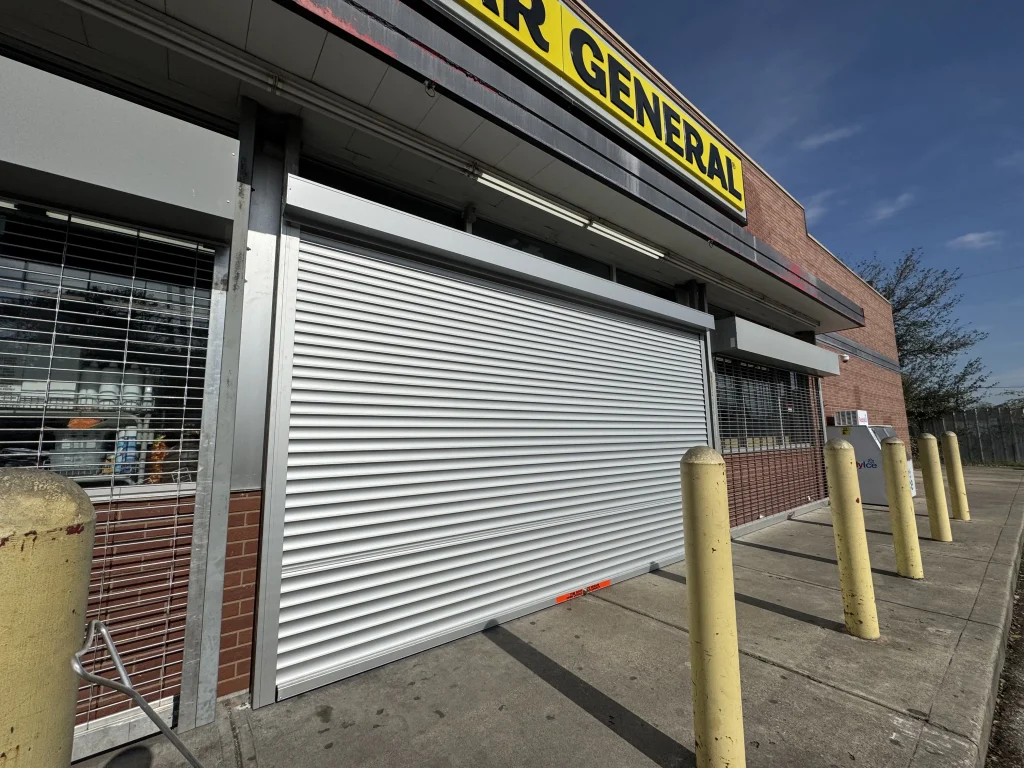
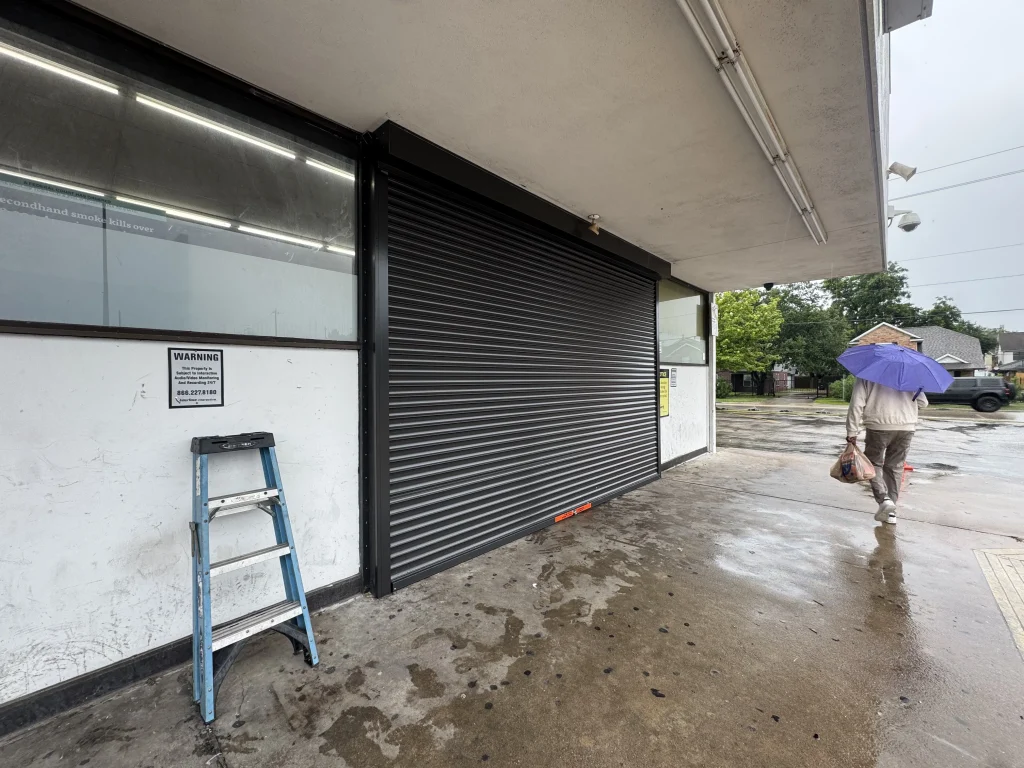
- Roll-down shutters that retract into a housing box above the window.
- Bahama shutters that function as decorative shutters and drop down before a storm.
- Colonial hurricane shutters that mount on both sides of the window and close from either side.
To compare how each of these options performs under real storm conditions, read our guide on Types of Hurricane Shutters Explained, which covers the materials, ratings, and best applications for every shutter type.
Key Factors to Consider When Choosing Hurricane Shutters
Budget and Average Cost
Knowing how much are hurricane shutters before committing to a product helps Houston homeowners plan a realistic budget from the start.
Key cost factors that affect the total investment include:
- Storm panels are the most budget-friendly starting point.
- Motorized roll-down systems require a larger upfront investment.
- More windows and doors mean more product and installation time.
- Multi-story homes typically add to overall labor costs.
- Bundling hurricane shutter installation with residential door services can reduce overall project costs.
Evaluating the full cost picture before committing to a shutter type leads to a decision that fits both the budget and the home’s protection needs.
Deployment and Storage
Permanent shutter systems deploy in minutes without heavy lifting, making ease of use one of the most practical factors to evaluate before a final purchase decision.
Deployment and storage considerations worth evaluating include:
- Accordion and roll-down systems remain mounted year-round, with no storage required.
- Storm panels must be retrieved and installed before each storm.
- Fabric screens fold compactly and can be stored in bags or bins.
- Motor-operated systems allow full deployment from inside the home.
- Scheduling garage door installation alongside shutter installation reduces overall disruption to the household.
Choosing a system that fits the household’s physical ability and storage space means the shutters will genuinely be used when a storm approaches.
Light and Visibility
Not every hurricane shutter blocks all natural light, and knowing which options allow visibility can make a meaningful difference in comfort during an extended storm.
Light and visibility options worth considering include:
- Clear polycarbonate panels allow natural light while meeting impact resistance standards.
- Fabric hurricane screens filter light rather than block it completely.
- Aluminum and steel panels eliminate all natural light when fully closed.
- Roll-down shutters with perforated slats allow partial light and airflow.
- Bahama and colonial shutters allow airflow and partial light when open.
Matching the shutter type to the household’s daily comfort needs makes the experience more manageable throughout storm season.
Aesthetics and Curb Appeal
Hurricane shutters do not have to compromise a home’s look, and several options actively enhance aesthetic appeal year-round.
Aesthetic factors worth evaluating before making a purchase include:
- Bahama shutters add tropical character to coastal home exteriors.
- Colonial shutters complement traditional and craftsman-style facades.
- Roll-down shutters offer a modern profile but require an overhead housing box.
- Homes with glass garage doors should factor shutter compatibility into the selection process.
- Accordion shutters fold neatly to the side when not deployed.
Selecting a shutter that complements the home’s exterior style makes it easier for the entire household to commit to the investment.
Building Codes and HOA Requirements
Local building code requirements and HOA restrictions directly determine which hurricane shutters qualify as legitimate storm protection for a Houston home.
Compliance factors every Houston homeowner should review include:
- Wind load ratings must match Houston and Harris County requirements.
- HOA restrictions may limit the type, color, and visibility of shutters.
- Nationally recognized product approval certifications are widely accepted in Houston.
- Permanent installations typically require a local building permit.
- Some insurance providers require specific certifications before applying for premium discounts.
Confirming compliance before purchasing any shutter product prevents the need for corrections after installation is complete.
Wind Speed Ratings and Impact Standards
Wind speed ratings and impact resistance standards define how much force a shutter can withstand before failing during hurricane season.
Wind and impact factors every homeowner should evaluate include:
- Design pressure ratings indicate the wind load a shutter is tested to handle.
- Impact resistance testing measures performance against windborne debris.
- Large missile ratings are recommended for homes within a mile of the coast.
- Certification labels confirm testing by an approved third-party laboratory.
- Storm category matching aligns the investment with a Houston address risk profile.
Verifying wind ratings against Houston’s storm history gives homeowners confidence that the chosen shutter system will perform at its worst.
Steps to Finding the Right Hurricane Shutters for a Houston Home
Finding the right hurricane shutters requires a clear sequence of steps that moves a Houston homeowner from assessment to a confident purchase decision.
Key steps to follow when selecting hurricane shutters include:
- Inventory every window, door, and glass opening that needs protection.
- Measure each opening to determine the correct shutter size and mount.
- Match the shutter type to household priorities like budget and ease of use.
- Verify the product meets Houston building codes, HOA rules, and insurance requirements.
- Schedule a professional assessment to confirm wind ratings and installation scope.
Working through each of these steps with a licensed professional ensures the final selection delivers real protection for every opening on the home.
How to Make the Final Call on Hurricane Shutters
Making the final call combines assessment results, budget, and compliance findings into one confident purchase decision.
Final decision factors that bring the choice together include:
- Confirm the shutter type meets Houston wind load and impact resistance requirements.
- Verify the product fits the home’s openings, mounting conditions, and aesthetic priorities.
- Review long-term benefits like insurance premium reductions and home value gains.
- Get a written quote from a licensed installer before placing any order.
- Confirm installation timing fits the schedule before storm season arrives.
Homeowners who work through every factor with a qualified professional are far better positioned to choose a shutter system that delivers lasting storm protection.
Choose the Right Hurricane Shutters Before Storm Season Puts the Home at Risk
Every hurricane season serves as a reminder that preparation before a storm warning appears is what separates a protected home from a vulnerable one. Choosing and installing hurricane shutters now gives homeowners the full benefit of professional installation, proper compliance review, and genuine peace of mind.
Honest Overhead Door, LLC brings hands-on expertise in matching the right hurricane shutters to every home’s openings, wind load requirements, and budget in Houston. Contact us or give us a call today to schedule a professional assessment and secure the right hurricane shutters before the next storm arrives.