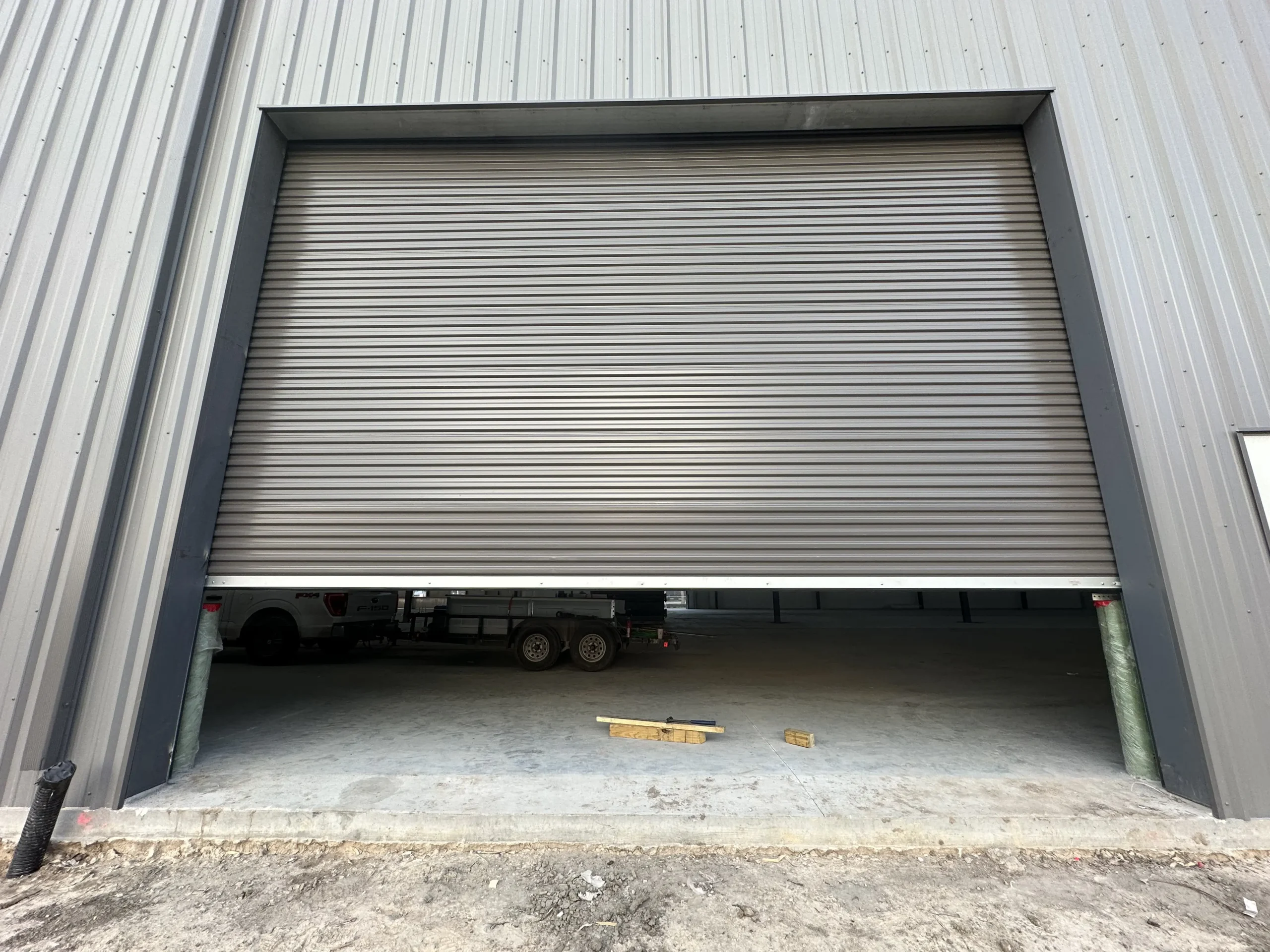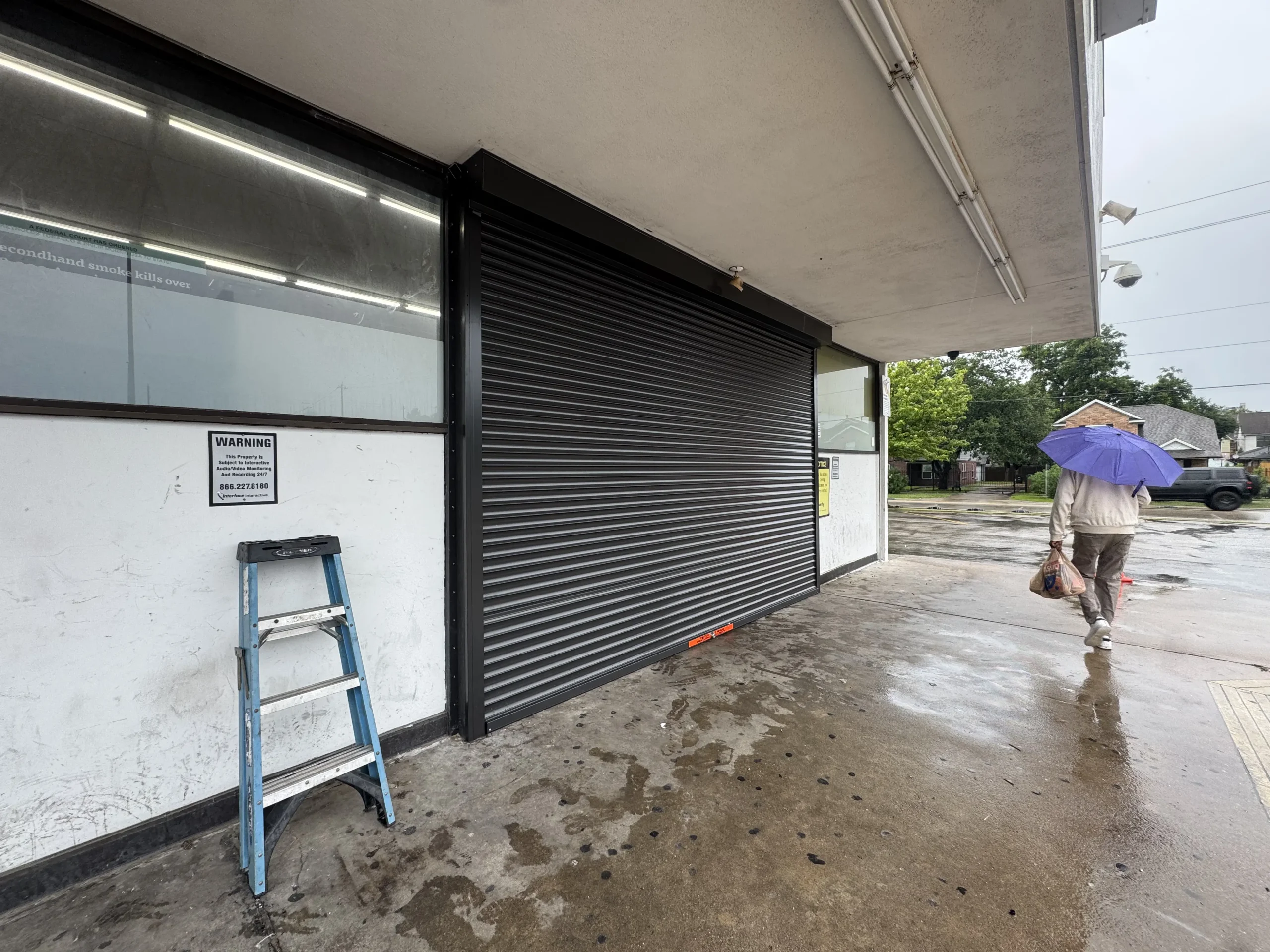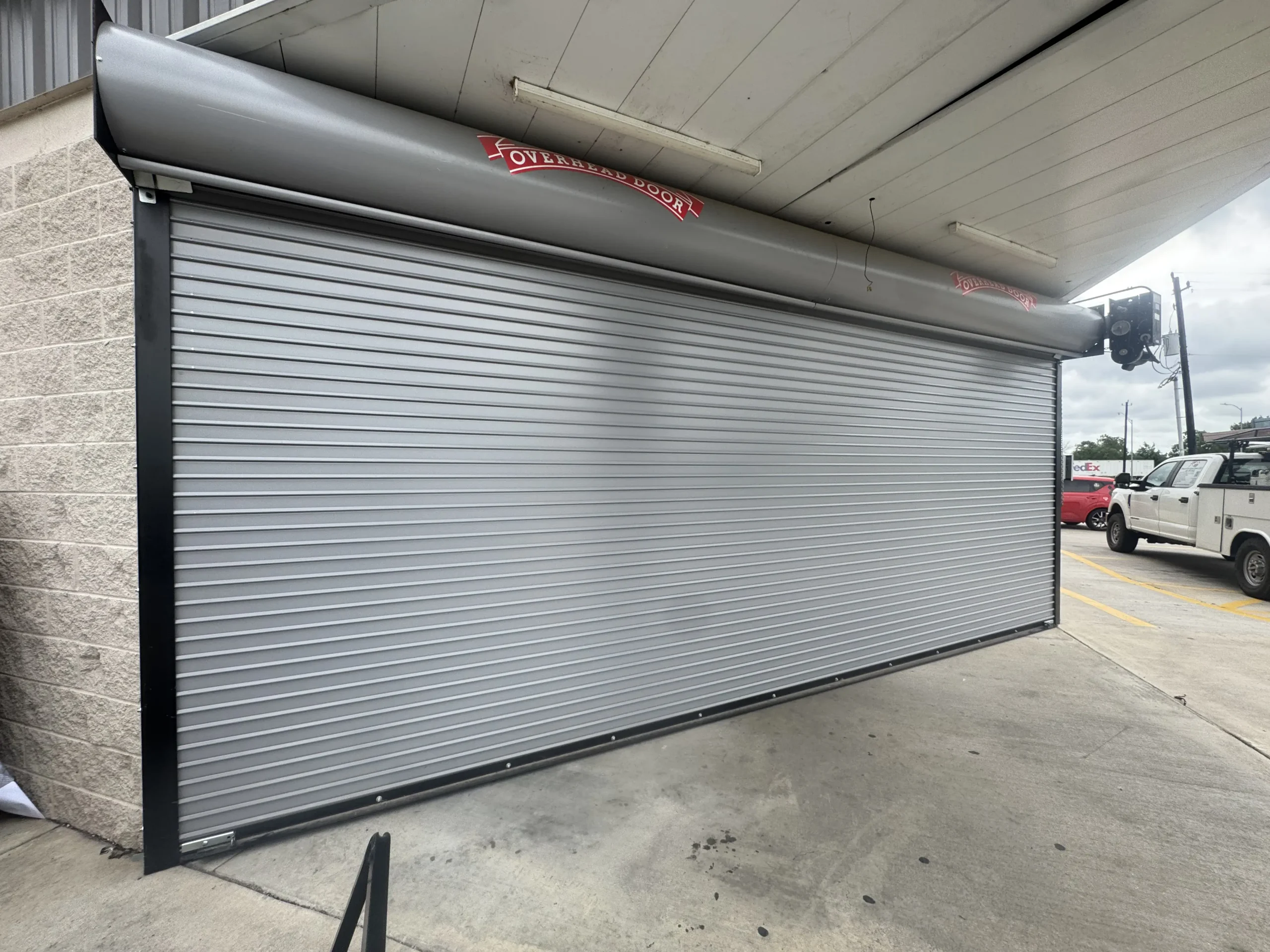
Hurricane shutters protect a home by creating a reinforced barrier over every window and door, blocking wind, debris, water, and dangerous pressure buildup during a storm. Without that barrier, a single broken window can trigger a chain of structural damage that spreads through the entire home.
A shutter system works by sealing every vulnerable opening before a storm makes contact, preventing the most destructive forces from reaching the interior. Homeowners who understand exactly how that protection works are better positioned to choose a system that keeps their home intact through every storm season.
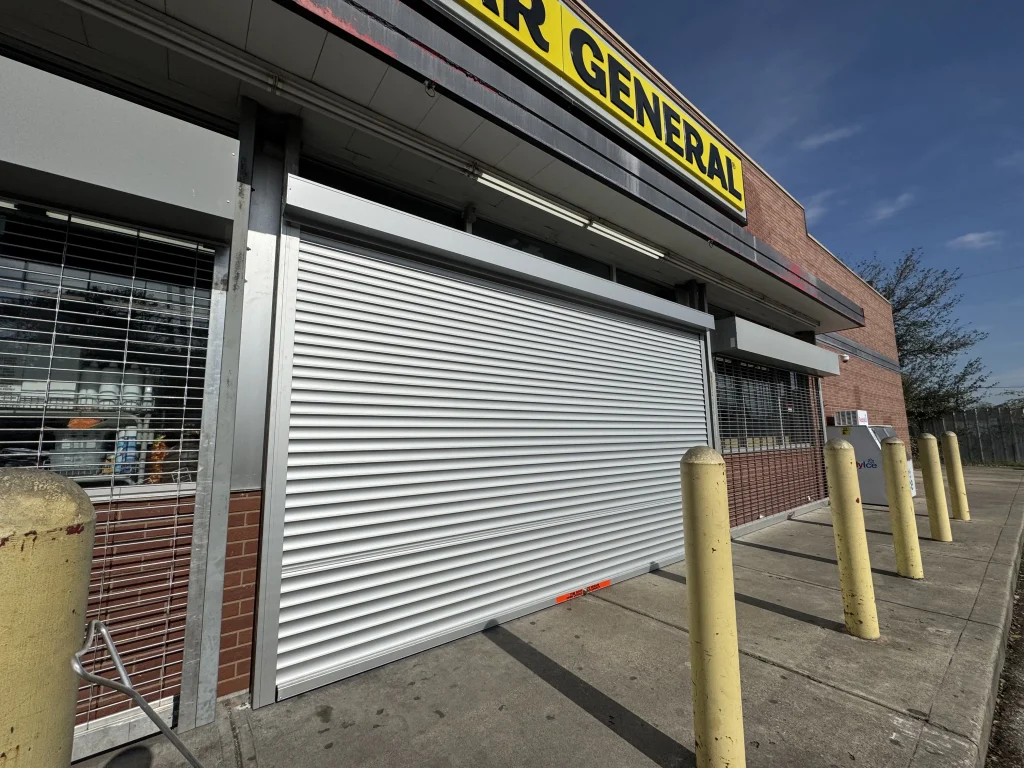
What Types of Protection Do Hurricane Shutters Provide?
Hurricane shutters address several distinct threats at once, and each layer works together to keep a home intact during a storm.
|
Protection Type |
What the Homeowner Gains |
|
Physical Storm Protection |
The home stays structurally sound and avoids catastrophic damage during a direct storm hit |
|
Financial Protection |
Lower repair bills, fewer insurance claims, and reduced post-storm reconstruction costs |
|
Personal Safety Protection |
Everyone sheltering inside stays out of harm’s way when storm conditions peak |
|
Property Value Protection |
The home retains and often increases its market value as a storm-ready property |
|
Year-Round Protection |
The investment delivers security, UV defense, and peace of mind well beyond storm season |
To explore whether the full scope of this protection justifies the investment, read our guide on Are Hurricane Shutters Worth the Cost?, which breaks down the financial and structural value hurricane shutters deliver to Houston homeowners.
Why Houston Homes Face a Higher Risk Without Hurricane Shutters
Gulf Coast homes sit directly in the path of some of the most destructive storm systems in the country.
Houston homes face a higher storm risk for several reasons:
- Warm Gulf waters fuel fast-developing storms with little warning before landfall.
- The Texas Gulf Coast records more direct landfalls than most U.S. regions.
- Low-lying neighborhoods face storm surge pushing through unprotected openings.
- A six-month storm season leaves unprotected homes exposed far longer than most regions.
- Strong winds turn loose objects into projectiles that strike unprotected glass.
Homes without hurricane shutters face compounding risks that grow more costly the longer protection is delayed.
How Hurricane Shutters Defend a Home During a Storm
Deflecting Debris and Impact
Wind-carried debris can shatter unprotected glass on contact, and hurricane shutters stop that impact at the surface.
Watch how shutters handle debris impact:
- Aluminum and steel panels absorb kinetic energy from branches and roof tiles.
- Fabric systems spread impact force across a wider surface area.
- Tested systems meet building code requirements for wind-borne debris resistance.
- Storm panels cover glass garage doors and large openings equally well.
- Material options let homeowners match impact resistance to local storm ratings.
Impact-rated hurricane shutters are among the best ways to prevent glass failure at the most exposed openings.
Maintaining Internal Pressure
Covered openings prevent wind from entering a home and triggering the pressure chain that leads to structural damage.
Pressure protection works through these mechanisms:
- Every sealed opening eliminates a wind entry point that would otherwise destabilize internal air pressure.
- Balanced pressure prevents upward force on the roof decking during peak winds.
- Walls and ceilings experience less outward stress when there are no open entry points.
- A shutter system performs best when every vulnerable opening is covered before a storm.
- Professional installation ensures each panel is anchored and sealed as designed.
Maintaining a sealed home during a hurricane is one of the most effective strategies for preventing structural loss.
Blocking Water Intrusion
Storm shutters create a barrier that keeps driving rain and surge water from entering through window and door openings.
Water intrusion is blocked through several protection points:
- Shutters pressed against frames seal gaps that driving rain exploits during a storm.
- Covered openings slow water intrusion before it reaches the interior.
- Keeping water out eliminates conditions that lead to mold growth in walls.
- Water bypassing unprotected frames damages the wall cavity and structural framing.
- Residential door services address water intrusion points around entry doors and garage openings that shutters alone may not fully cover.
Prolonged moisture exposure leads to long-term structural and health consequences that extend well beyond visible surface damage.
Preventing Glass Shrapnel
Shattered windows send dangerous fragments into the living space, and hurricane shutters absorb the impact before the glass ever breaks.
Shutters eliminate glass injury risk in several ways:
- Absorbing an impact keeps the glass panes whole throughout the storm.
- High-velocity fragments are among the leading causes of storm-related injury.
- Shutters maintain their barrier through multiple impact events in a single storm.
- Families with children and pets face a greater risk of glass injuries without shutters.
- Storm shutters reduce the force that reaches the impact glass during a direct strike.
Eliminating glass failure at the source is the most direct way to protect everyone sheltering inside.
Protecting Roof and Structural Integrity
A fully sealed home distributes storm forces more evenly across its frame, reducing the likelihood of roof and wall failure.
Shutters contribute to structural protection through these mechanisms:
- Sealed openings prevent the upward pressure differential that lifts roof decking.
- Covered openings reduce overall wind load on the structure.
- Window frames and wall sections stay protected from debris strikes.
- Local building codes recognize shutters as a primary wind protection method.
- Professional garage door installation, along with hurricane shutters, ensures that every large opening in the home meets wind-resistance standards.
Structural protection starts at the openings, and every covered window and door reduces the storm load that the entire frame must absorb.
Additional Benefits of Installing Hurricane Shutters
Hurricane shutters deliver measurable value to a home well beyond the protection they provide during a storm.
Additional benefits of installing hurricane shutters include:
- Closed shutters block UV rays that fade flooring and window treatments.
- Bahama and colonial shutters reduce solar heat gain and lower cooling demand.
- Accordion and colonial hurricane shutters add a secondary barrier that deters potential intruders.
- Decorative shutters boost curb and aesthetic appeal, raising market value.
- Approved shutter systems qualify homeowners for wind mitigation credits that reduce insurance premiums.
To weigh which shutter style fits a home’s protection and everyday needs, read our guide on Types of Hurricane Shutters Explained, which covers how each option performs across different openings and storm conditions.
What Protection Does the Average Cost of Hurricane Shutters Cover?
Knowing how much hurricane shutters cost helps homeowners plan for the level of protection their home actually needs.
The average cost of hurricane shutters typically covers:
- Panel and material costs vary by shutter type and impact resistance rating.
- Labor costs depend on the number of openings and installation complexity.
- Full-home coverage costs more than partial installations covering only key openings.
- Premium systems, such as accordion shutters, cover larger openings and deploy faster.
- Coastal building code requirements may affect minimum ratings and final material selection.
To find the shutter system that fits a home’s protection goals and budget, read our guide on How to Choose the Right Hurricane Shutters, which walks through every factor that determines the best option for each opening and level of storm exposure.
How Hurricane Shutters Protect a Home Starts With the Right Installation
Hurricane shutters protect a home by blocking wind-carried debris, dangerous pressure buildup, driving rain, and glass failure at every vulnerable opening. Installing a tested shutter system across every window and door keeps a home intact, dry, and structurally sound through any storm season.
Honest Overhead Door, LLC gives Houston homeowners the full storm protection that tested hurricane shutters deliver through professional installation built to meet local building code requirements. Contact us or give us a call today to schedule a consultation and get every opening in a home protected before the next storm arrives.